Gambling's social consequences How it shapes community dynamics
Understanding Gambling’s Role in Society
Gambling has long been a part of human culture, often viewed through various lenses—entertainment, risk, and economic opportunity. In communities, it can foster a sense of belonging, as local gambling venues become social hubs where individuals gather. However, this phenomenon is a double-edged sword, as the same venues can also contribute to social isolation and gambling addiction, creating a complex dynamic that shapes community interactions. For more detailed insights, visit https://ratterrierclub.com/ today.

The social acceptance of gambling varies across different cultures and regions. In some societies, it is celebrated as a form of recreation, while in others, it is stigmatized. This cultural backdrop significantly influences how gambling impacts community dynamics, driving either community engagement or fragmentation based on prevailing attitudes and the regulation of gambling activities.
The Economic Impact on Local Communities
Gambling can significantly affect local economies by generating tax revenue and creating jobs. Many communities benefit from the financial influx that casinos and betting shops bring. This economic boost often translates into improved public services, infrastructure development, and increased tourism. The local economy can thrive if managed responsibly, leading to higher standards of living and greater community investment. In light of these advantages, advanced techniques in managing gambling resources become essential for sustainable growth.
Conversely, the reliance on gambling revenue can create vulnerabilities. When a community’s economic health becomes overly dependent on the gambling industry, it may suffer during downturns in the sector. Additionally, the economic benefits may not be evenly distributed, leading to inequality and social tensions among community members who do not partake in gambling activities.
The Psychological and Social Ramifications
On an individual level, gambling can lead to a range of psychological issues, from stress and anxiety to addiction. These problems often ripple through families and communities, affecting relationships and social cohesion. A person struggling with gambling addiction may find themselves isolated, leading to strained familial ties and diminished community involvement.
The psychological effects of gambling also extend to the broader community, as increased instances of addiction can strain local resources, such as healthcare and social services. Communities may need to invest in support systems, including counseling and rehabilitation programs, to address these issues, which can further complicate social dynamics.
The Influence of Regulation and Policy
Government policies regarding gambling play a crucial role in shaping community dynamics. Regulations can either mitigate or exacerbate the negative consequences associated with gambling. For example, implementing strict advertising guidelines and age restrictions can help reduce gambling-related harm, fostering a healthier community environment.
Conversely, lax regulations can lead to increased gambling participation, particularly among vulnerable populations. Communities must advocate for responsible gambling measures to ensure that the social fabric remains intact, balancing economic benefits with the well-being of residents.
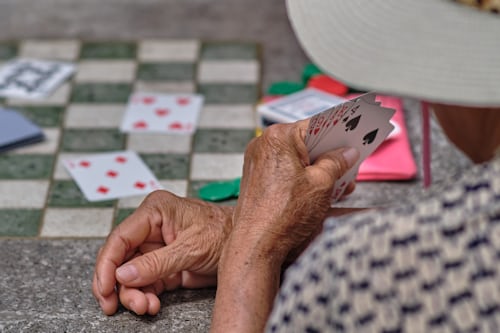
Exploring Gambling Resources and Support
To navigate the complexities of gambling and its social consequences, many communities turn to specialized resources. Websites that focus on gambling education and responsible gaming can provide valuable information on safe gambling practices, support networks, and treatment options for addiction.
These resources play a critical role in fostering informed communities. By equipping individuals with knowledge and support, communities can better address the challenges associated with gambling, ensuring that it remains a source of entertainment rather than a catalyst for social discord.
Leave a Reply